Dental care and the impact of diet are intricately linked, with sugary foods acting as a major culprit in harming your smile. Imagine waking up with a dazzling smile, full of confidence, rather than experiencing the discomfort of cavities or tooth decay. Dental care isn’t just about brushing and flossing; it’s about understanding how your daily choices affect your oral health. This article will explore the detrimental effects of sugary foods on your teeth, explaining why a balanced diet is crucial for a healthy smile. We’ll cover the science behind tooth decay, discuss various dietary choices, and highlight practical ways to maintain a radiant smile. We will also discuss what dental habits will support a healthy mouth. The structure of this article will start by explaining the fundamentals of Dental care and the Impact of Diet and then break down each aspect before finishing with a conclusion about how to best manage your diet and your dental habits.
The Fundamental Link Between Diet and Dental Health
Maintaining good dental health is crucial for overall well-being. A healthy mouth reflects a healthy body. The foods we consume directly impact the health of our teeth and gums. A diet rich in sugars, refined carbohydrates, and acidic foods can create an environment conducive to the growth of harmful bacteria in the mouth. These bacteria produce acids that erode tooth enamel, leading to cavities and tooth decay. While there are many contributing factors to the health of your teeth, your diet is one of the most important.
The Science Behind Tooth Decay
The Acidic Attack on Enamel
Sugary foods and drinks are broken down by bacteria in the mouth into acids. These acids attack the tooth enamel, making it vulnerable to decay. The longer these acids are in contact with the enamel, the greater the risk of damage. This is particularly problematic for frequent snacking and consuming sugary drinks throughout the day. Understanding this process helps us understand why regular brushing and flossing is so important.
How Bacteria Thrive in a Sugar-Rich Environment
Sugary foods provide a perfect breeding ground for harmful bacteria. These bacteria feed on the sugar, producing acids that erode tooth enamel. Frequent consumption of sugary foods and drinks creates a constant cycle of acid production, leading to prolonged enamel damage and increased risk of cavities. Proper dental hygiene and balanced meals are essential to control the bacteria that contribute to tooth decay.
The Role of Saliva in Neutralizing Acids
Saliva plays a vital role in neutralizing acids in the mouth. However, the constant exposure to acids from frequent sugar consumption overloads the saliva’s buffering capacity, leaving teeth vulnerable to attack. A balanced diet supports saliva’s natural defenses.
Choosing a Balanced Diet for a Healthy Smile
Prioritizing Fruits, Vegetables, and Dairy
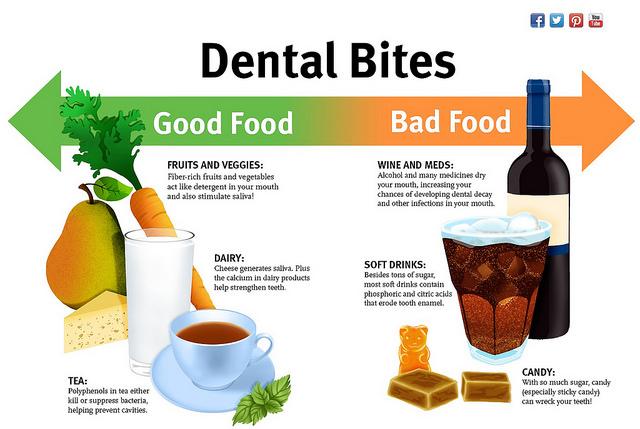
Fruits, vegetables, and dairy products provide essential nutrients for overall health and contribute to a healthier mouth. These foods are generally low in sugars, contributing to a natural balance in the mouth’s environment. Dairy products, like milk and yogurt, contain calcium and phosphate, vital minerals for maintaining strong teeth. A varied diet with fruits, vegetables and dairy foods keeps bacteria levels under control.
Minimizing Consumption of Sugary Foods
Reducing consumption of sugary foods and drinks is critical for oral health. This includes candies, sodas, juices, and processed snacks. By limiting intake, you reduce the frequency of acid attacks on tooth enamel and allow for better remineralization of the teeth and gums. Gradually reducing sugary intake can greatly help improve oral health.
Selecting Sugar-Free Alternatives and Limiting Frequent Snacking
Look for sugar-free alternatives when possible. Many drinks, candies, and desserts have sugar-free options. Choosing these options reduces the harmful impact of sugary foods on teeth, and snacking in moderation is a useful technique for people who want to take control of their eating habits. Limit your intake of sweets and beverages with high sugar content, and try to avoid eating sugary snacks frequently or throughout the day.
Practical Strategies for Maintaining Dental Health
The Importance of Regular Brushing and Flossing
Regular brushing and flossing are essential to remove plaque and food particles from teeth. This helps prevent the buildup of harmful bacteria that lead to cavities and gum disease. Use fluoride toothpaste, and ensure your brushing technique is effective in removing food particles and bacterial plaque from all the teeth. Flossing is crucial to clean between teeth, where brushes may miss, preventing plaque buildup that can cause gum disease.
The Role of Professional Dental Cleanings
Professional dental cleanings are crucial to remove hard-to-reach plaque and tartar buildup. Dental hygienists use specialized tools to thoroughly clean your teeth, ensuring your teeth are healthy and the best possible state. Regular cleanings can help prevent serious dental issues.
Addressing Specific Dental Concerns
How Sugary Foods Lead to Cavities
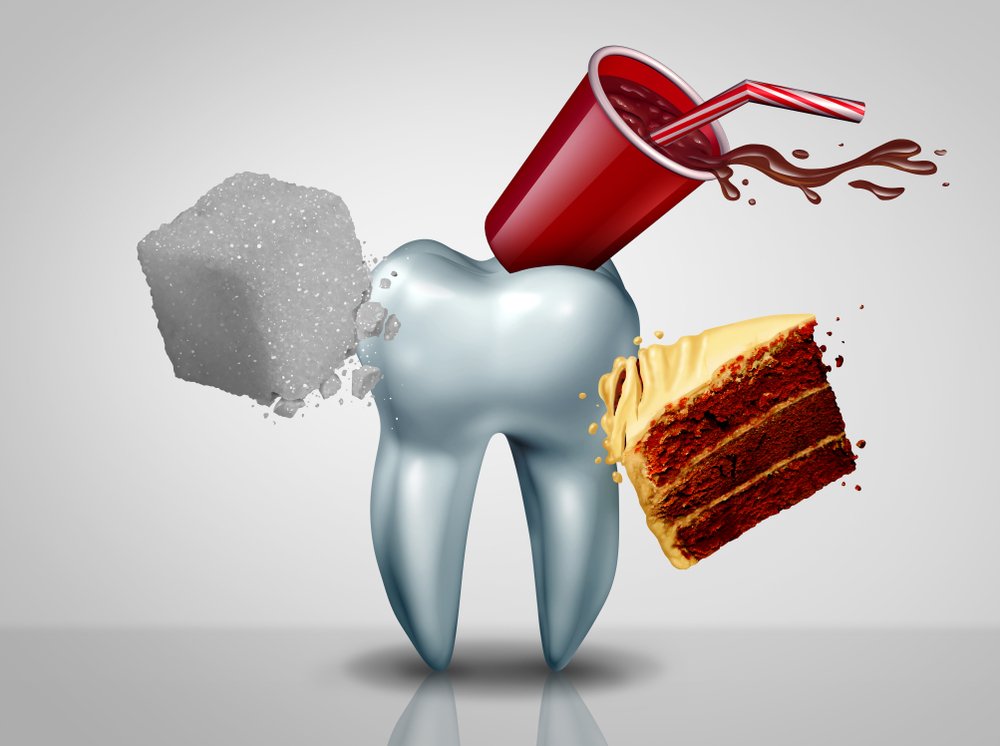
Frequent consumption of sugary foods and drinks creates an acidic environment in the mouth. The acid erodes tooth enamel, leading to cavities and potential tooth decay. The bacteria produce acid when they consume sugar; this is why limiting sugar intake is an essential part of dental health.
The impact of diet on dental health is crucial for overall health. By understanding the role diet plays, you can take actionable steps to protect your teeth.
Q: What are some foods to avoid for better dental care?
A: Foods high in sugar and processed carbohydrates should be limited for better dental care. Processed foods, candies, and sugary drinks all pose a risk to tooth health. These foods are often more acidic than other types of food, putting enamel at risk.
Q: How does a balanced diet support dental health?
A: A balanced diet rich in fruits, vegetables, and dairy provides essential nutrients for maintaining strong teeth. Calcium and phosphorus, both present in dairy, are crucial for protecting tooth enamel and strengthening teeth. These nutrients are essential to good oral hygiene and protecting against tooth decay. A well-balanced diet promotes saliva production, which helps to neutralize acids in the mouth, providing better protection against cavities and tooth decay. Foods high in fiber can also help with gum health, preventing gum inflammation and disease.
In conclusion, a healthy diet plays a crucial role in maintaining optimal oral health. By understanding the detrimental effects of sugary foods on your teeth, you can make informed decisions and implement strategies for a healthier smile. Prioritizing a balanced diet rich in fruits, vegetables, and dairy products, while limiting sugary snacks and drinks, will contribute significantly to preventing dental problems. Remember to visit your dentist regularly for checkups and professional cleanings. By combining healthy habits with proactive dental care, you can maintain a stunning, healthy smile for years to come.


