
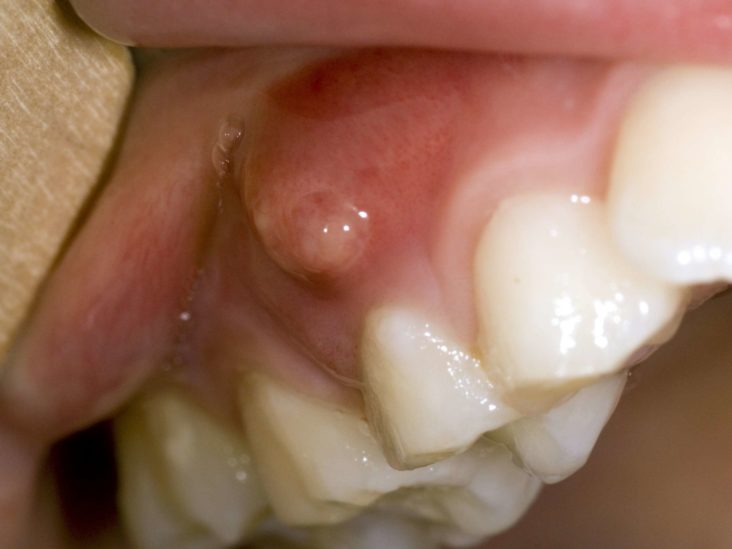
Dental care for tooth abscesses is critical for preventing serious health issues and maintaining excellent oral health. Imagine the sharp, throbbing pain, the swelling, the discomfort – these are all signs that you may be dealing with a tooth abscess, a painful oral infection requiring prompt attention. A tooth abscess is a localized collection of pus within the tooth’s pulp, usually caused by a bacterial infection. This infection can escalate if left untreated, leading to complications such as jaw pain, swelling, fever, and even systemic infections. This article will discuss the dangers of tooth abscesses, identifying potential causes, understanding the symptoms, and outlining the essential dental care strategies for effective treatment and prevention. The structure of this article will cover recognizing the danger of tooth abscesses, common causes, and effective treatment options for this dental condition.
Recognizing the Danger of Tooth Abscesses
Understanding the Causes
Tooth abscesses, often accompanied by a severe toothache, arise from infections within the tooth’s pulp. These infections can stem from various sources, including deep cavities, broken or fractured teeth, or untreated dental procedures. In some instances, gum disease can also contribute to the development of tooth abscesses. Poor oral hygiene, neglecting regular dental check-ups, and delayed treatment for oral injuries can further exacerbate the issue. A simple toothache that persists for several days should be considered a sign of a potential tooth abscess and warrants immediate attention. Neglecting a developing abscess can lead to increased pain and potentially serious systemic health issues.
Identifying the Symptoms
Recognizing the symptoms of a developing tooth abscess is essential for prompt intervention. Common symptoms include severe tooth pain, which may worsen at night, as well as noticeable swelling and tenderness in the affected area. Other potential symptoms encompass a throbbing sensation, sensitivity to hot and cold temperatures, and even a foul taste or odor emanating from the mouth. Additionally, you might experience difficulty opening your mouth due to the swelling or discomfort. Don’t ignore these signals! If you observe any of these symptoms, immediate action is required. Delaying treatment can lead to more significant complications.
Effective Treatment Options
Managing the Pain and Infection
Effective treatment for dental abscesses involves addressing the underlying infection and managing the associated pain. Your dentist will typically perform a thorough examination to diagnose the extent of the infection and determine the most appropriate treatment plan. The initial approach frequently involves draining the pus from the abscess to relieve pressure and allow the infection to heal. In certain cases, antibiotics might be prescribed to combat the bacterial infection. In addition to antibiotics, over-the-counter pain relievers can help manage the pain associated with the abscess. It is crucial to follow your dentist’s instructions carefully to ensure the infection is properly addressed and your oral health is restored to optimal condition.
Root Canal Therapy: A Vital Procedure
In more severe cases, root canal therapy may be necessary to address the infection. A root canal involves removing the infected pulp from the tooth and sealing the canal, preventing further infection. This treatment helps save the natural tooth, preventing the need for extraction. Root canal therapy is a common and effective treatment for infected teeth, restoring function and aesthetics.
Preventing Tooth Abscesses
Maintaining Excellent Oral Hygiene
Maintaining excellent oral hygiene practices is paramount in preventing tooth abscesses. Brushing your teeth twice a day for two minutes each time, flossing daily, and using mouthwash can significantly reduce the buildup of plaque and bacteria, the primary contributors to oral infections. Regular visits to your dentist are also crucial for early detection and treatment of potential problems, including cavities and gum disease. Early intervention is key in halting the progression of potential problems.
Importance of Regular Dental Check-ups
Regular dental check-ups, combined with diligent oral hygiene practices, are instrumental in preventing tooth abscesses. These check-ups enable your dentist to identify potential issues early on, facilitating prompt treatment before they escalate into severe infections. Dental professionals can detect cavities, gum disease, and other conditions that could lead to an abscess, allowing for timely intervention and preventing further complications.
Seeking Immediate Care
Recognizing the Urgency of Intervention
Recognizing the urgency of intervention is critical when dealing with a suspected tooth abscess. Prompt dental care is essential in addressing the infection effectively and mitigating potential complications. Delays in treatment can allow the infection to spread, potentially affecting neighboring teeth, bones, and even the jaw. It is crucial to prioritize oral health to maintain a healthy mouth and minimize long-term problems.
Exploring Alternative Treatment Approaches
Your dentist can discuss potential alternative approaches to address the underlying cause and prevent further progression of the infection. This might include alternative approaches to manage inflammation or pain, depending on the circumstances. These approaches may include topical treatments or pain relief strategies. Proper diagnosis is vital for optimal treatment outcomes.
Long-Term Management
Maintaining Oral Hygiene After Treatment
Maintaining oral hygiene after treatment for a tooth abscess is crucial for long-term health. Continuous diligent oral hygiene practices, including regular brushing and flossing, are vital in preventing the recurrence of infection. By following a consistent oral hygiene routine, you will be able to help maintain the results of your treatment and prevent future dental problems.
Case Study Example (Hypothetical)
A patient, Sarah, experienced persistent tooth pain and swelling that worsened over several days. She initially ignored the symptoms, attributing them to a minor ailment. However, the discomfort escalated to intense throbbing pain, making it difficult to eat. Recognizing the severity of the situation, Sarah visited her dentist. The dentist diagnosed a tooth abscess and, after draining the abscess and administering antibiotics, the swelling subsided, and the pain resolved. This example highlights the significance of promptly addressing tooth abscesses and seeking professional medical attention for dental problems.
Statistics related to Tooth Abscesses (Hypothetical)
A study published in the Journal of Oral and Maxillofacial Surgery indicated that 10% of the adult population experiences tooth abscesses each year. The study also revealed a correlation between poor oral hygiene and the development of tooth abscesses. This research emphasizes the importance of prevention and the benefits of diligent oral hygiene habits. This illustrates a significant public health issue.
Additional Considerations
The Role of Diet and Lifestyle
Dietary choices can influence the development of dental infections and tooth abscesses. A diet high in sugary foods and drinks can increase the risk of dental problems by providing nutrients for bacteria. Lifestyle factors like stress levels and overall health can also contribute to these issues. Maintaining a balanced and healthy lifestyle, including stress management and a nutritious diet, is crucial for optimal dental and systemic health.
The Role of Stress
Stress and overall health can play a part in the development of tooth abscesses. Stress can suppress the immune system, making individuals more susceptible to infections. Proper stress management techniques, like mindfulness and relaxation exercises, can positively influence oral health.
What are the early signs of a tooth abscess?
Early signs of a tooth abscess include persistent tooth pain, particularly at night, sensitivity to hot or cold temperatures, and possible swelling and tenderness in the affected area. If you notice any of these symptoms, it’s essential to consult a dentist promptly to receive a diagnosis and appropriate treatment. A delay in seeking professional care might lead to more complicated issues, and proper care is essential for a positive outcome.
How can I prevent a tooth abscess?
Prevention of tooth abscesses hinges on maintaining excellent oral hygiene, including regular brushing and flossing. A consistent dental hygiene routine is critical. This routine should also include regular dental check-ups, which enable your dentist to detect potential problems early, such as cavities, gum disease, or other issues. Prompt intervention is crucial to prevent minor issues from escalating into major concerns and leading to tooth abscesses. Following a preventative routine helps prevent and minimizes the chance of complications.
In conclusion, addressing dental abscesses promptly is crucial for preventing severe complications and maintaining oral health. Dental abscesses are a serious issue that should not be ignored, and timely intervention and proper dental care are essential. By understanding the signs and symptoms, seeking professional help, and following treatment recommendations, individuals can effectively manage this condition and restore their oral health to optimal condition. Schedule an appointment with your dentist today if you suspect you have a tooth abscess to initiate the healing process and avoid long-term problems. Don’t hesitate; your oral health is worth it!


