Cutting Edge: Mastering the Art of Precision Hair Cutting
In the world of hairstyling, precision hair cutting is an art form that requires skill, technique, and attention to detail. A good haircut can make or break a person’s overall appearance, and with the ever-changing trends and styles, it’s essential for hairstylists to stay up-to-date with the latest techniques and methods. In this article, we’ll delve into the world of precision hair cutting, exploring the benefits, techniques, and tips for mastering this craft.
The Importance of Precision Hair Cutting
Precision hair cutting is not just about cutting hair; it’s about creating a customized look that enhances the client’s features, skin tone, and personal style. A well-executed haircut can boost a person’s confidence, make them look and feel younger, and even change their entire demeanor. With precision hair cutting, stylists can create a wide range of styles, from subtle, natural-looking cuts to bold, edgy designs.
Techniques for Precision Hair Cutting
There are several techniques that hairstylists use to achieve precision hair cutting. Some of the most popular methods include:
- Dry Cutting: This technique involves cutting the hair while it’s dry, rather than wet. Dry cutting allows stylists to see the natural texture and movement of the hair, making it easier to create a customized cut.
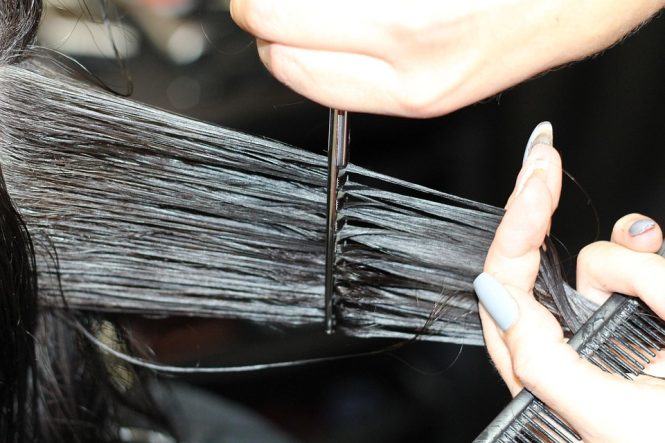
- Slice and Dice: This method involves cutting the hair in small, precise sections, using a combination of scissors and razors to achieve a highly textured, layered look.
- Point Cutting: This technique involves cutting the hair at a 90-degree angle, using the tips of the scissors to create a sharp, defined edge.
- Freehand Cutting: This method involves cutting the hair without the use of guides or combs, allowing stylists to create a highly personalized and artistic cut.
Tips for Mastering Precision Hair Cutting
To become a master of precision hair cutting, stylists need to practice, practice, practice. Here are some tips to help you improve your skills:
- Invest in Quality Tools: Invest in high-quality scissors, razors, and clippers to ensure that you’re working with the best equipment possible.
- Study the Client’s Face Shape: Take the time to study the client’s face shape, skin tone, and features to determine the most flattering cut.
- Use Reference Images: Use reference images to help you visualize the final result and ensure that you’re on the same page as the client.
- Practice on Different Hair Types: Practice cutting different hair types, including curly, straight, and textured hair, to develop your skills and adaptability.
- Stay Up-to-Date with Trends: Stay current with the latest trends and styles by attending workshops, seminars, and online classes.
The Benefits of Precision Hair Cutting
Precision hair cutting offers a wide range of benefits, including:
- Increased Client Satisfaction: Precision hair cutting ensures that clients receive a customized cut that meets their expectations and enhances their overall appearance.
- Improved Reputation: By offering precision hair cutting services, stylists can build a reputation for excellence and attract a loyal client base.
- Increased Earning Potential: Precision hair cutting can command higher prices, increasing earning potential for stylists.
- Creative Expression: Precision hair cutting allows stylists to express their creativity and artistry, making the job more fulfilling and enjoyable.
Conclusion
Precision hair cutting is a highly skilled craft that requires dedication, practice, and attention to detail. By mastering the techniques and tips outlined in this article, hairstylists can take their skills to the next level, offering clients a customized and personalized experience that enhances their overall appearance and confidence. Whether you’re a seasoned stylist or just starting out, precision hair cutting is an essential skill that can elevate your career and take your clients to the next level.

